

Improved
6139 HealthChanged
3797 LivesSaved
3584 Lives0 lives impacted in the last 24 hrs Learn More

An AC repair crisis can strike at the most inopportune moment imaginable, leaving you in distress and potentially ready to endanger you with health risks from extreme temperatures. When your air conditioner malfunctions when you least expect it, having what to do can save you money, time, and a lot of inconvenience. In this tutorial, I will guide you through everything that you need to know about AC repair crises, such as how to identify the problem and preventing future breakdowns.
Identifying an AC Repair Emergency
Not all AC problems qualify as an emergency, but some require immediate service. Here's what to watch out for:
Total System Shutdown: If your AC system abruptly ceases to function completely, particularly when it's extremely hot outside, this is definitely an emergency.
No Cool Air: The AC is running, yet the air coming through the vents is not cool. This could indicate there's a refrigerant leak or compressor failure, both of which must be repaired at once.
Loud, Unusual Noises: Grinding, banging, squealing, or hissing sounds from your AC system could indicate serious mechanical problems that can lead to other damage if left unresolved.
Burning Smell: A burning odor emanating from your AC unit is a critical sign of an electrical issue, potentially a fire hazard. Turn off the unit immediately and call for emergency repair.
Leaks or Pooling Water: While some condensation is normal, excessive water accumulation around your indoor or outdoor unit could indicate a clogged drain line, a frozen evaporator coil, or a refrigerant leak.
AC Running Continuously Without Cooling: When your unit is running continuously but not cooling the space, it means it's working overtime and probably has a major issue, causing excessive energy bills and system burnout.
Tripped Breakers: In case your AC unit keeps tripping your circuit breaker, it indicates an electrical overload or short circuit in the system.
When you encounter an AC emergency, your first reactions are crucial:
Turn Off the Unit: This is most important. Shutting down your AC may prevent further damage to the system and limit potential safety risks like electrical fires.
Check the Thermostat: Make sure your thermostat is set to "cool" and the temperature is lower than the room temperature reading. The simplest explanations are often overlooked. Check the batteries too.
Check Circuit Breakers: Look at your electric panel and determine if the circuit breaker for your AC has tripped. If so, reset it. If it immediately trips again, don't continue to reset it; there's something electrical going on.
Clear Obstructions: Briefly check to see if there is anything in the way of the outdoor condenser unit (leaves, debris, etc.) or indoor vents. Unlikely to be the cause of a true crisis, but an easy test.
Gather Information: Document any unusual noises, smells, or visible signs. This will come in handy when you speak with an AC repair professional.
Finding and Choosing Emergency AC Repair Services
When you're dealing with an AC repair emergency, you need a reliable technician in your pocket. Think about the following to find one:
Emergency Services: Look for companies that explicitly mention 24/7 or emergency AC repair services. These companies are capable of dealing with emergency calls outside of regular business hours.
Reputation and Reviews: Read online reviews (Google, Yelp, etc.) and also ask your friends or family for references. Look for technicians that have a good reputation for doing timely, efficient, and ethical work.
Licensed and Insured: Ensure that the company and technicians are licensed and insured. This protects you in case of any accidents or substandard work.
Experience with Your AC Type: Different AC systems (central air, ductless mini-splits, heat pumps) require different repair procedures. Have a technician who is experienced with your specific unit type come to repair it.
Transparent Pricing: Any good emergency AC repair firm will be upfront about their diagnostic fees and repair costs, even if they are higher for off-hour work. Get a written estimate before any work is done.
Warranty on Repairs: Request whether they give a warranty on their labor and parts. This gives you assurance that if the issue returns soon after the repair, you will not be charged again.
What to Expect When the Emergency AC Repair Technician Visits
When the technician comes, here is a general idea of what to expect:
Diagnosis: The technician will thoroughly examine your AC unit to identify the true source of the problem. This could involve examining the level of refrigerant, the electrical components, motors, and coils.
Description of the Problem: They must clearly describe what happened, why it happened, and what needs to be repaired.
Repair Options and Estimate: You will be presented with the repair options and a detail breakdown of the costs. You can ask questions if something doesn't make sense.
Repair Work: Once you've approved the estimate, the technician will proceed and complete the necessary repairs. This can involve replacing parts, recharging refrigerant, eliminating blockages, or fixing electrical connections.
Testing: After the repair has been completed, the technician will test the system to ensure that it's in good working condition and is running efficiently.
Recommendations: They can provide you with recommendations for preventative maintenance or can inform you of how much longer your unit has remaining in its life cycle if it is nearing retirement. Learn how to use a mechanical thermostat to easily control your home's temperature and save energy with simple, manual adjustments.
Avoiding Future AC Repair Crises
Some crises are unavoidable, but through routine maintenance, the likelihood of them occurring can be reduced:
Regular Professional Maintenance: Schedule annual AC tune-ups with a professional technician. During these visits, they can identify and repair smaller issues before they become larger, more expensive ones.
Replace Air Filters Periodically: A dirty air filter restricts airflow, reduces performance, and can lead to frozen coils or system overloads. Replace them every 1-3 months, or more frequently if you have allergies or pets.
Clear Outdoor Unit Area: Remove obstructions, plants, and leaves from the area around your outdoor condenser unit. This ensures adequate airflow and avoids overheating of the unit. The telltale sounds of HVAC issues reveal problems early - listen for buzzing, rattling, or clanking to prevent costly repairs fast.
Check for Leaks: Inspect your indoor and outdoor units on a regular basis for leaks or pooling water buildup.
Don't Ignore Small Problems: Address small problems like strange sounds or reduced cooling capacity early. Putting this off can turn an easy repair into an expensive emergency.
Consider a Smart Thermostat: A smart thermostat can help optimize your AC use, reduce wear and tear, and some models can even send you notifications about potential system issues.
An AC repair crisis can be a harrowing experience, but by knowing the telltale signs, addressing the situation instantly, and understanding how to seek the best help, you are well-prepared to face such situations. Even more important, regular preventative maintenance is your finest protection against those nasty surprise AC failures, keeping your home cool and comfortable all year round.
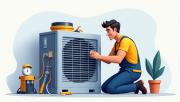
In an ideal world, our homes would always maintain the perfect temperature, effortlessly transitioning from a cozy warmth in winter to a refreshing coolness in summer. However, in reality, heating, ventilation, and air conditioning (HVAC) systems are complex machines that, like all machinery, are prone to wear and tear. When your heater sputters out on the coldest night of the year or your AC decides to quit during a scorching heatwave, you need reliable heater and AC repair.
This Group is Open to all EmpowHER.com members