|
|
|
by hernews Posted: Sun., August 17, 2008, 10:48 pm
|
|
|
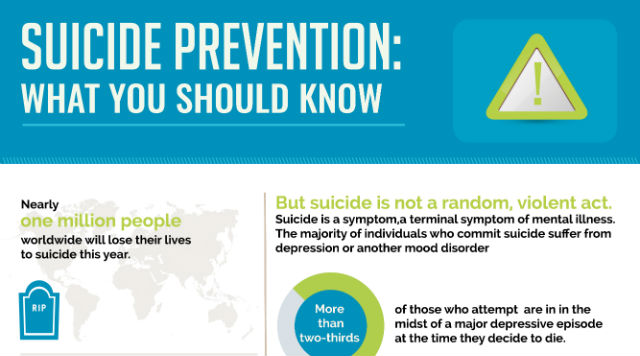
More than half of 26,000 college students who completed a Web survey said they had thought about committing suicide at least once in their lives, University of Texas at Austin researchers say.
Fifteen percent of respondents said they had seriously considered suicide, and more than 5 percent said they had actually attempted to kill themselves at least once, psychologist David J. Drum and co-authors reported Sunday in a news release to coincide with their planned presentation at the annual meeting of the American Psychological Association in Boston.
|
|
|
|
|
|
|
by CompleteCounseling Posted: Sat., August 16, 2008, 05:59 am
|
|
|
What is atypical depression?
|
|
|
|
|
|
|
by CompleteCounseling Posted: Thu., August 14, 2008, 06:27 am
|
|
|
After going through the first little while with constantly looking after a child who is completely dependent on its parent, leaving the child alone for the first time can be difficult for both the child and the parent. It would be nice to go out for some fun without the kid in tow, but actually doing it can be difficult because the parent, especially the mother, can have a hard time doing this. The first time has to come sometime and sooner is better than later.
|
|
|
|
|
|
|
by Dr Shoshana Bennett Posted: Wed., August 13, 2008, 10:40 am
|
|
|
Watch Dr. Shosh's Video Gallery.
|
|
|
|
|
|
|
by CompleteCounseling Posted: Sun., August 10, 2008, 06:14 am
|
|
|
There are many different causes of depression, including poor physical health, the environment in which a person lives, lack of a social life, low confidence, and the list continues. Everyone is unique, as are the different types of depression. In fact, there are some people who suffer depression because of genes they have inherited from one or both of their parents, some who suffer it because of a chemical imbalance and others who have depression because they focus too much on the negative.
|
|
|
|
|
|
|
by TW46 Posted: Thu., August 7, 2008, 11:16 am
|
|
|
I wondered if anyone has sought acupuncture as a means of helping alleviate moods swings and irritabilty. If so, can you recommend a good acupuncturist? Thank you!
|
|
|
|
|
|
|
by CompleteCounseling Posted: Sat., August 2, 2008, 07:20 am
|
|
|
No parent wants to hear or believe that their teenage son or daughter is depressed, but it happens. It could be that the teen is having difficulty in dealing with the loss of a family member or close friend, are having difficulty with other students at school or are suffering from stresses from home, school and/or work. Ignoring the problem will not help it go away. Parents who believe their child might be depressed should find help for their teenage son or daughter, instead of ignoring the problem and hoping that it will go away.
|
|
|
|
|
|
|
by CompleteCounseling Posted: Sun., July 27, 2008, 03:02 pm
|
|
|
Most everyone recognizes that moodiness is a normal part of being a teenager, whether parents like to accept it or not. Teenagers are at a time in their life when they are going through numerous changes in both the mind and the body. They are in the transition from child to adult, which means hormonal imbalances and changes that can cause a change in a teen’s mood. It is also a time in their life when they are starting to assert their independence, which can cause some friction with the parents, but this is also seen as a normal part of the stage.
|
|
|
|
|
|
|
by dragonfly Posted: Fri., July 25, 2008, 10:14 am
|
|
|
An experimental treatment for depression is reportedly giving hope to patients who suffer from its most severe form. Deep brain stimulation (or DBS) in which the brain is stimulated with electrical impulses in an attempt to change mood. In this week's Biological Psychiatry, a Toronto-based scientist reported that he noticed a significant reduction in depression in 60 percent of patients who had not responded to more conventional treatments. The procedure has been used on 40,000 people worldwide including Parkinson's patients.
|
|
|
|
|
|
|
by CompleteCounseling Posted: Fri., July 25, 2008, 06:27 am
|
|
|
When most think of depression, they think about a family member with depression or someone that they know of who is suspected of being depressed in school or the workplace, but few will think about what to do with a depressed friend. What can one do for their friend who appears to be suffering from depression?
|
|
|
|
|
|
|
|
|