8 Tips to Sleep Better When Dealing With Night Sweats
0 Comments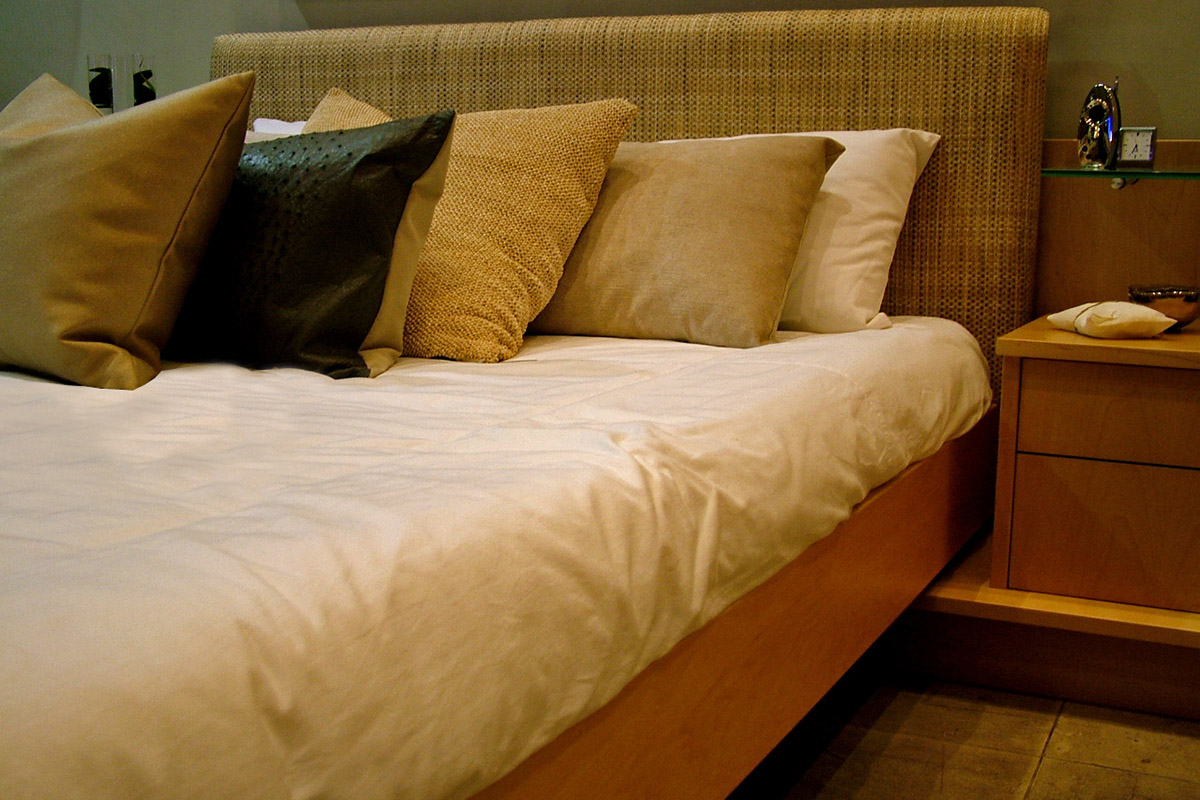
Surround Yourself With Cooler, Lighter Fabrics
Sleep in lightweight, loosefitting, absorbent cotton pajamas that allow airflow. Opt for cotton sheets with a lightweight blanket instead of man-made fabrics and a heavy comforter.
Lotus Head/Free Images
Stay Hydrated
Make sure to drink a cooling glass of water before bed and also keep a glass of ice water beside your bed during the night.
Africa Studio/Fotolia
Avoid Hot Flash Triggers Before Bed
Stay away from hot tea or coffee, spicy foods, smoking, alcohol, and any other foods or activities you have identified as triggers for your hot flashes.
Grazyna Suchecka/Free Images
Encourage Airflow in Your Bedroom
Open windows and doors before bed, install a window fan unit or place a fan where it can be pointed at your side of the bed for direct cooling. It’s also important to lower the room temperature a few degrees if possible.
PublicDomainArchive/Pixabay
Avoid Exercising Before Bed
If you are usually an evening gym visitor, consider switching to morning workouts so your body temperature and heart rate are not elevated right before lying down at night.
olezzo/Fotolia
Skip That Glass of Wine
Alcohol is a vasodilator, which means it causes your blood vessels to dilate. This increases the amount of blood brought to the surface of your skin and makes you feel warmer.
Roger Kirby/Free Images
Take a Moment to Relax
Stress and anxiety can raise your blood pressure and, as a result, your body temperature. Reducing your stress before bed can be an effective way to reduce your chances of hot flashes while you sleep.
samards/Fotolia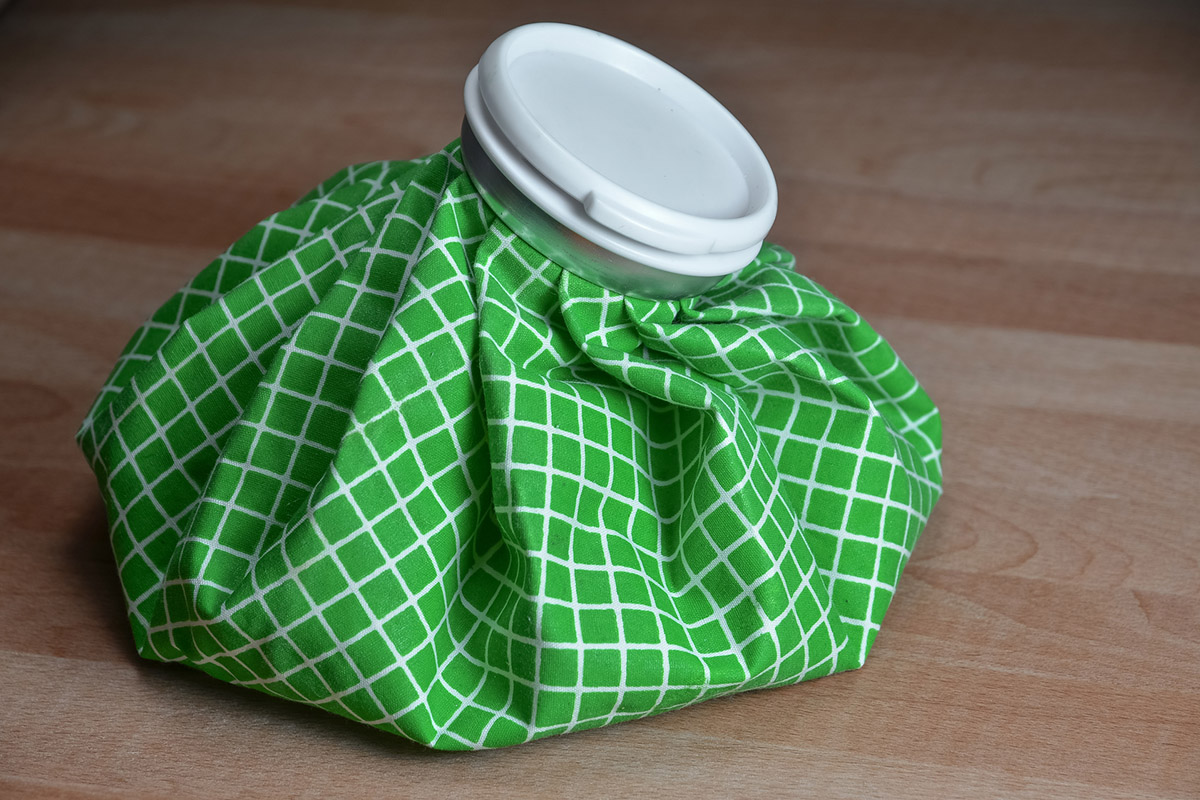
Cold Packs are Your Friend
Get relief during the night by placing a frozen cold pack under your pillow. Turn your pillow over each time you wake to provide a fresh, cool surface.
lucamontevecchi/FotoliaGet Hot Flashes Email updates
Receive the latest information around hot flashes. Sign up now!